


What Does Red and Infrared Light Therapy Include?
Updated: October 10, 2026
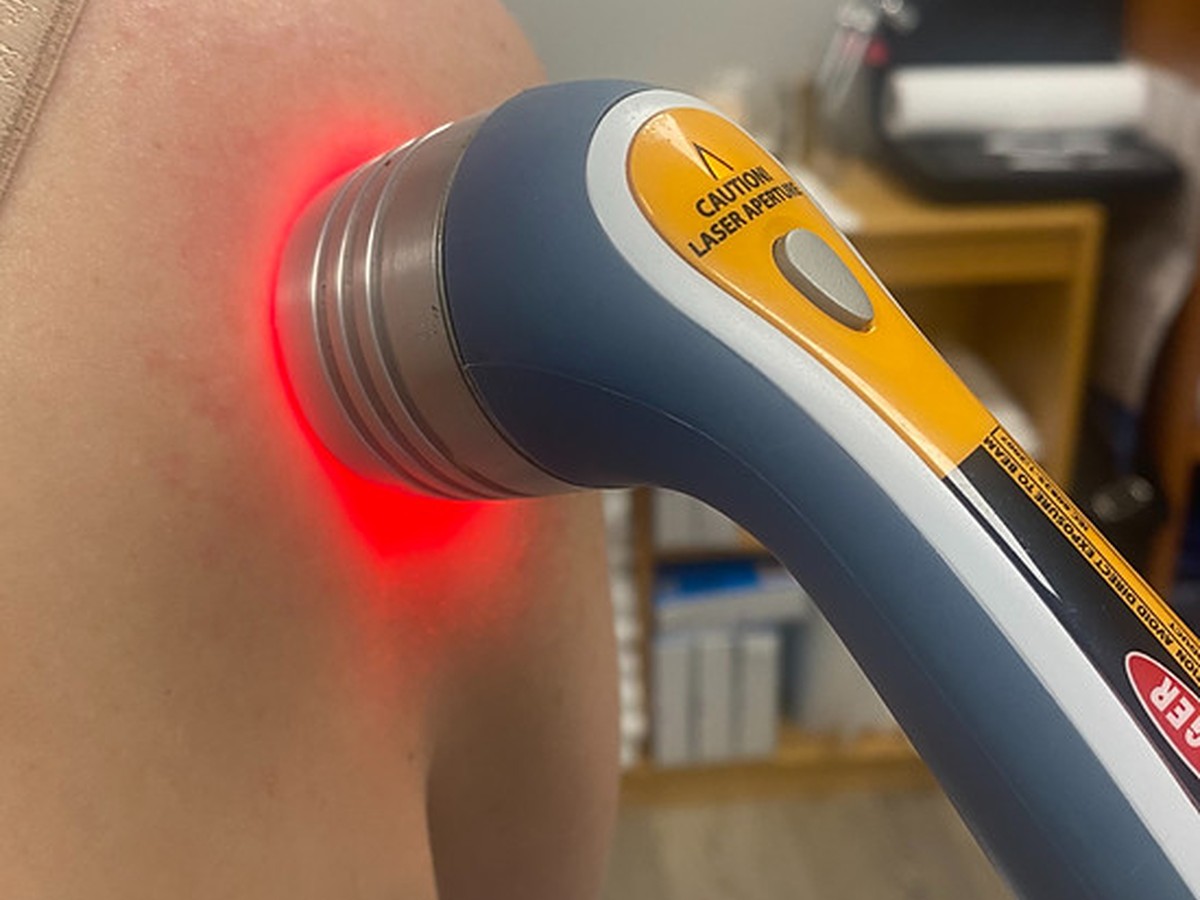
Red and infrared light therapy uses specific wavelengths of light to support tissue healing and pain relief. A session typically includes a brief assessment, positioning near a light panel or device, and a set exposure time. The exact protocol varies by clinic, so you should confirm what is included before booking. At Vertebra Health Institute in Schiller Park, red and infrared light therapy is offered as part of an integrative manual medicine approach, but the clinic's website does not list session details, so you will need to call to verify the specifics.
What Is Red and Infrared Light Therapy?
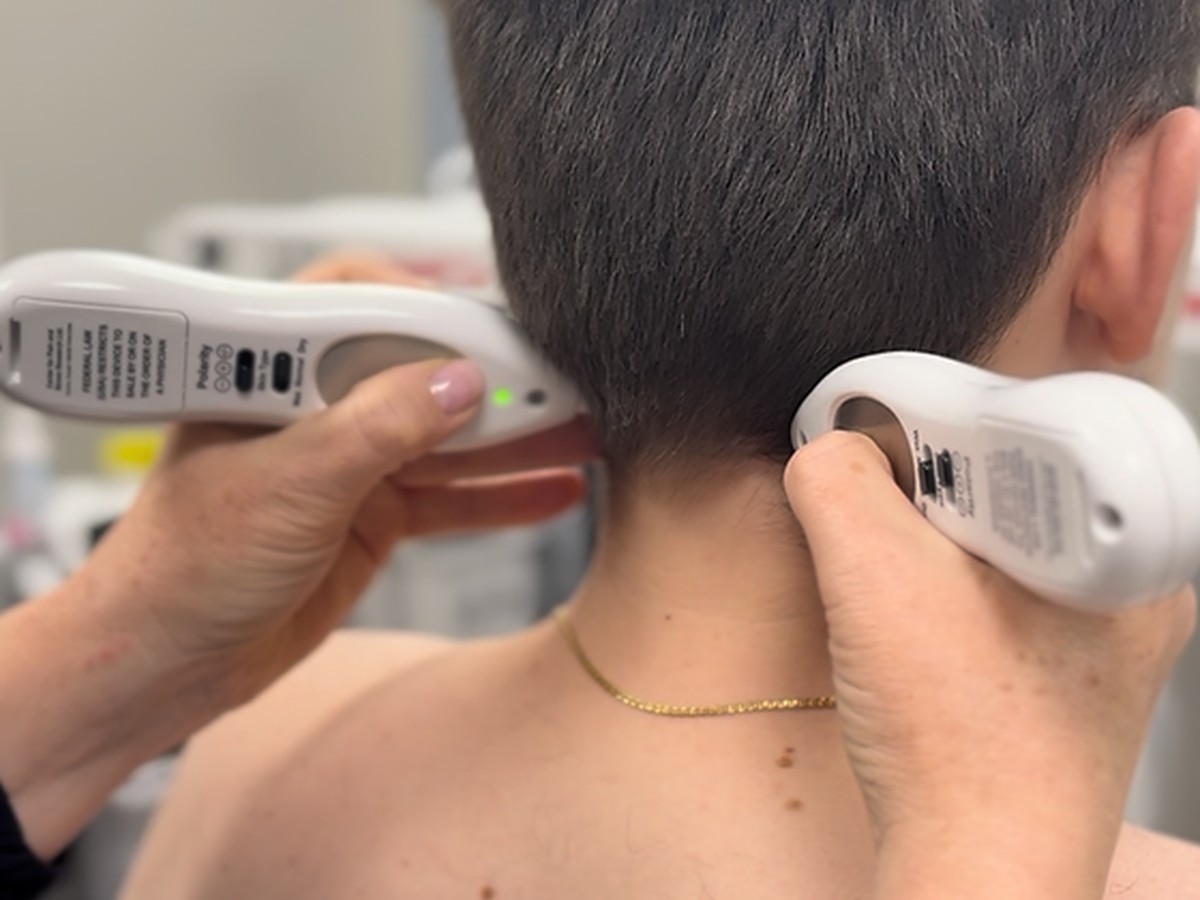
Red and infrared light therapy, sometimes called photobiomodulation, uses light in the red and near-infrared spectrum. These wavelengths are thought to penetrate the skin and interact with cells to support healing. Red light is visible and works closer to the surface, while infrared light is invisible and reaches deeper tissues. The therapy is non-invasive and does not use heat in the same way as a heat lamp.
Because the effects depend on wavelength, dose, and device quality, the exact benefits can vary. No clinic can guarantee a specific outcome, and you should ask about the device used and the treatment plan.
What Does a Session Typically Include?
A red and infrared light therapy session usually includes these steps:
Brief intake or assessment: The provider may ask about your health history and the area you want to target.
Positioning: You sit or lie near the light device, and the targeted area is exposed. You may need to remove clothing over that area, but you can keep the rest on.
Light exposure: The device is turned on for a set time, often 10–20 minutes. You may feel warmth, but it should not be painful.
Post-session guidance: The provider may recommend a series of sessions or complementary therapies.
At Vertebra Health Institute, the service page for red and infrared light therapy does not list session length, cost, or preparation steps. You should call the clinic at 224-707-0797 to confirm these details before your visit.
How to Prepare for Your Appointment
Preparation is usually simple, but it depends on the clinic's protocol. Common steps include:
Clean the skin area to be treated; avoid lotions or oils that could block light.
Wear comfortable clothing that allows easy access to the treatment area.
Remove jewelry or metal objects near the area.
Tell the provider about any medications, especially those that increase light sensitivity.
Because Vertebra Health Institute does not publish preparation instructions, ask when you book. The clinic also offers related services like Bioptron light therapy and biomagnetic pair therapy, which may be combined with light therapy depending on your needs.
Who Offers Integrative Manual Medicine in Schiller Park?

Vertebra Health Institute, located at 9950 W Lawrence Ave Suite 202A in Schiller Park, offers integrative manual medicine. Their website states that integrative medicine addresses the whole person—mind, body, and spirit—and that they work with conventional healthcare providers. They list naprapathic manual medicine, craniosacral therapy, and the Perrin Technique among their services.
However, the website does not provide detailed descriptions of each service or practitioner credentials. Before choosing, you should verify:
Which specific manual medicine techniques are included in your treatment plan.
The practitioner's training and licensure in Illinois.
Whether the clinic accepts your insurance or offers self-pay rates.
What to expect during the first evaluation.
Call 224-707-0797 to ask these questions directly.
What Should You Compare Before Choosing a Provider?
When comparing providers for red and infrared light therapy or integrative manual medicine, use the same criteria for each:
Service scope: Does the provider offer the specific therapy you want? Vertebra Health Institute lists red and infrared light therapy, but you should confirm the device type and treatment protocol.
Practitioner qualifications: Ask about training and experience in light therapy and manual medicine. The clinic's website does not list practitioner names or credentials, so you must ask.
Cost and insurance: The clinic does not publish prices. Ask for a fee schedule and whether they bill insurance.
Location and hours: The clinic is in Schiller Park, but you should confirm hours and appointment availability.
Combination approach: If you want a holistic plan, ask how light therapy fits with other services like craniosacral therapy or naprapathic evaluation.
Do not assume that offering a service means it is superior. Instead, ask for a clear explanation of what will happen during your session and what outcomes are realistic.
What Are the Limitations and Alternatives?
Red and infrared light therapy is not a cure-all. It may not be appropriate for everyone, especially if you have certain skin conditions, are pregnant, or take photosensitizing medications. Always consult a qualified healthcare provider before starting.
Alternatives or complements offered at Vertebra Health Institute include therapeutic ultrasound, shockwave treatment, and manual lymphatic drainage. Each has different mechanisms and may be more suitable for certain conditions. Ask the clinic which option fits your situation.
Your Next Step
If you are considering red and infrared light therapy or integrative manual medicine in Schiller Park, start by calling Vertebra Health Institute at 224-707-0797. Ask these questions:
What does a red and infrared light therapy session include, and how long is it?
What device do you use, and what wavelengths does it emit?
Who will perform the therapy, and what are their qualifications?
What is the cost per session, and do you offer packages?
How many sessions do you typically recommend, and how will progress be measured?
Write down the answers and compare them with any other provider you are considering. This will help you make an informed decision based on facts, not marketing claims.
Frequently Asked Questions
Is red and infrared light therapy safe?
Red and infrared light therapy is generally considered safe when used properly, but it is not risk-free. You should discuss any health conditions or medications with a qualified provider before starting. The clinic's website does not list contraindications, so ask directly.
How many sessions will I need?
The number of sessions depends on your condition and the treatment plan. Vertebra Health Institute does not publish a standard protocol, so you should ask the provider for an estimate based on your situation.
Can I combine light therapy with other treatments?
Yes, many clinics combine light therapy with other manual medicine techniques. Vertebra Health Institute offers several complementary services, but you should confirm whether they can be scheduled together and whether there are any interactions.
Does insurance cover red and infrared light therapy?
Insurance coverage varies. The clinic does not state whether they bill insurance for this service, so you should call and ask about your specific plan.
Comments