


Manual Lymphatic Drainage (MLD) Mistakes to Avoid Before Booking
Updated: October 13, 2026
Manual lymphatic drainage (MLD) is a gentle, specialized technique, but not every session is the same. If you book without comparing a few key details, you may end up with a treatment that doesn't match your needs—or one that isn't truly MLD at all. The good news is that most mistakes are easy to prevent once you know what to look for.
Article checklist:
Why the decision deserves a closer look
Five mistakes to avoid before booking
What to compare before choosing a provider
Questions to ask before your first session
A final verification checklist
Why the decision deserves a closer look
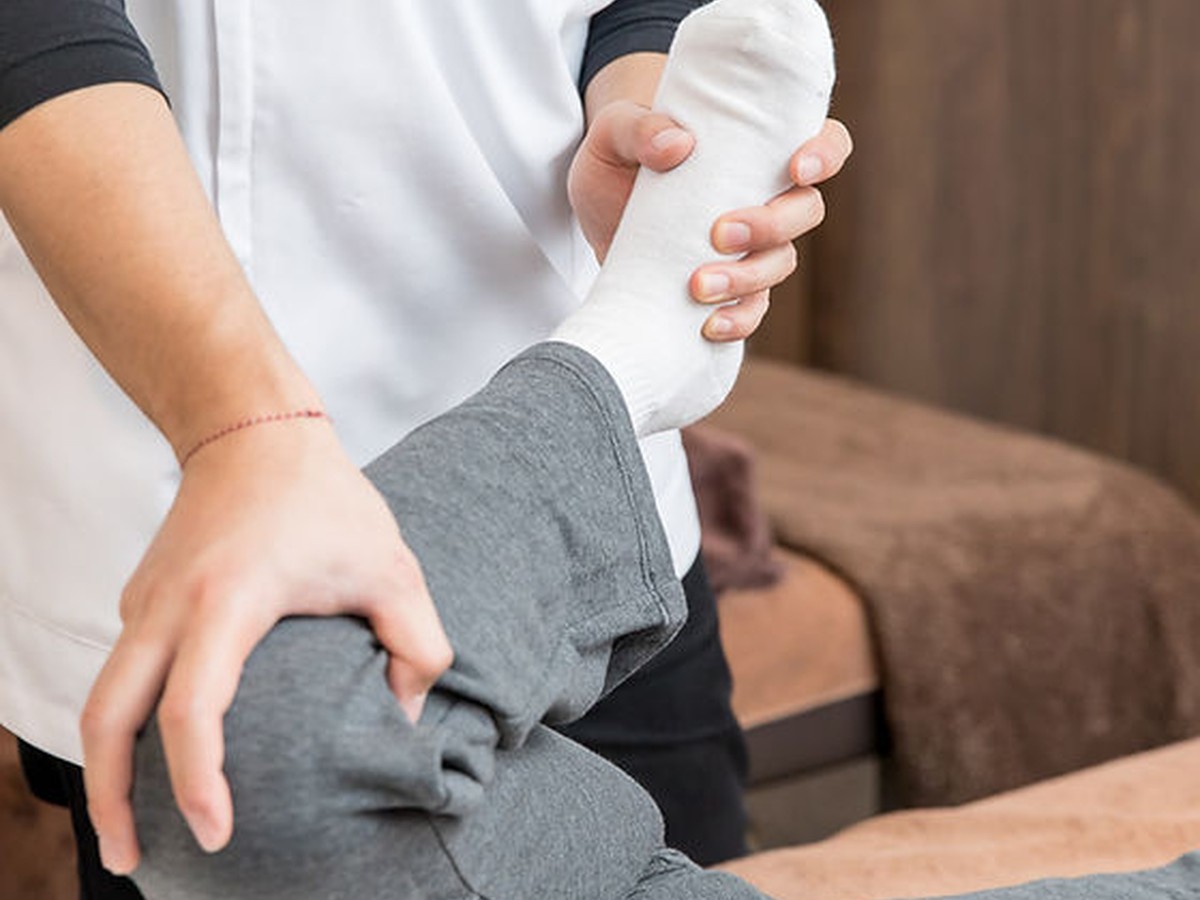
MLD uses light, rhythmic hand movements to encourage lymph fluid movement. It is often used for swelling, post-surgical recovery, or general wellness. But because the term is used loosely, you can't assume every provider offers the same approach. Some use the Vodder technique, some use mechanical devices, and some combine MLD with other manual therapies. The right choice depends on your specific situation, so a little comparison up front can save you time and discomfort.
Five mistakes to avoid before booking
1. Assuming all "lymphatic drainage" is the same
Many spas and clinics offer "lymphatic drainage," but the technique can vary widely. Traditional MLD is a precise, gentle method that follows specific pathways and pressure. Other treatments, like Brazilian lymphatic drainage or mechanical Endermologie, are different in pressure, rhythm, and purpose. If you need MLD for a medical reason, such as post-surgical swelling, a general relaxation massage labeled "lymphatic" may not be appropriate.
Correction: Ask which specific method is used. For example, Vertebra Health Institute lists Manual Lymphatic Drainage with the Vodder technique, which is a recognized standard. If you're considering other options, compare them directly: Brazilian Lymphatic Drainage Treatment and Endermologie Lymphatic Drainage are different services with different goals.
2. Not checking practitioner training
MLD requires specific training to be done safely and effectively. A general massage license does not guarantee expertise in lymphatic work. Without proper training, a practitioner may use too much pressure, which can be uncomfortable or counterproductive, especially for sensitive conditions.
Correction: Ask about the practitioner's training and certification in MLD. Look for a named technique, such as Vodder, and ask how long they have been practicing it. A reputable provider will be transparent about their qualifications.
3. Skipping the pre-treatment assessment
MLD is not one-size-fits-all. The right sequence, pressure, and duration depend on your medical history, current symptoms, and goals. A provider who starts treatment without asking about your health background may miss important precautions.
Correction: Expect a brief assessment before your first session. Be ready to discuss any surgeries, medical conditions, medications, or areas of concern. If a provider doesn't ask, consider it a red flag and ask whether an assessment is included.
4. Choosing based on price alone
It's tempting to pick the cheapest option, but MLD quality depends on skill and time. A very low price may mean a shorter session, a less trained practitioner, or a generic routine that doesn't address your needs. Conversely, a high price doesn't guarantee better results.
Correction: Compare what's included: session length, technique, practitioner training, and whether the treatment is tailored to you. Ask about the typical session duration and what the provider does differently for different conditions. Then decide if the value matches the price.
5. Ignoring your own comfort and feedback
MLD should feel gentle and relaxing. If you feel pain, excessive pressure, or discomfort during the session, something is off. Some people hesitate to speak up, but your feedback is essential for a safe and effective treatment.
Correction: Communicate openly with your practitioner. Tell them if anything feels uncomfortable. A skilled MLD therapist will adjust pressure and technique based on your response. After the session, note how you feel—both immediately and over the next day or two—and share that at your next visit.
What to compare before choosing a provider

When you're ready to book, use this checklist to compare options:
Technique: Is it traditional MLD (e.g., Vodder) or a different method?
Training: What specific MLD training does the practitioner have?
Assessment: Will they review your health history before treatment?
Session details: How long is the session, and is it customized?
Comfort: Do they encourage feedback and adjust pressure?
If you're in the Schiller Park area, Vertebra Health Institute offers Manual Lymphatic Drainage as part of its integrative manual medicine services. You can call 224-707-0797 to ask about the technique, practitioner training, and what to expect. For a different focus, they also offer Buccal Treatment with Lymphatic Drainage, which combines facial massage with lymphatic work.
Questions to ask before your first session
To make the most of your consultation, consider asking:
Which MLD technique do you use, and why?
What training and experience do you have with this technique?
Will you assess my specific needs before starting?
How long is a typical session, and what should I expect during and after?
How will you adjust the treatment if I feel discomfort?
These questions help you confirm that the provider's approach matches your goals and that you'll receive a thoughtful, individualized treatment.
A final verification checklist
Before you book, run through this quick list:
☐ I know which MLD technique will be used.
☐ I've asked about the practitioner's training.
☐ I understand what the pre-treatment assessment includes.
☐ I've compared session length and customization, not just price.
☐ I feel comfortable asking questions and giving feedback.
Taking these steps doesn't guarantee a perfect outcome, but it dramatically reduces the chance of a mismatched or ineffective session. Manual lymphatic drainage can be a valuable part of your wellness or recovery plan when it's done thoughtfully—and now you know how to find that.
Comments