


Biomagnetic Pair Therapy Mistakes to Avoid Before Booking

Updated: October 4, 2026
If you are considering biomagnetic pair therapy in Schiller Park, the biggest risk is not the therapy itself—it is choosing a provider without checking how the service fits your situation. Many people book the first available appointment, assume all practitioners work the same way, or skip the questions that reveal whether a clinic can actually meet their needs. This article explains five common buyer mistakes and how to prevent them, so you can make a confident decision without guesswork.
Article checklist:
Who Offers Integrative Manual Medicine in Schiller Park, and What Should I Compare Before Choosing?
Mistake 1: Assuming Biomagnetic Pair Therapy Is a Standalone Treatment
Mistake 2: Not Verifying the Practitioner's Training and Scope
Mistake 3: Ignoring the Need for a Pre-Treatment Assessment
Mistake 4: Comparing Only Price Instead of Value
Mistake 5: Not Asking About Expected Outcomes and Limitations
Final Verification Checklist Before You Book
Who Offers Integrative Manual Medicine in Schiller Park, and What Should I Compare Before Choosing?

Vertebra Health Institute offers integrative manual medicine, naprapathic manual medicine, and craniosacral therapy at 9950 W Lawrence Ave, Suite 202A, Schiller Park, IL 60176. Before choosing any provider, compare three things: the specific techniques included in your treatment plan, the practitioner's approach to combining therapies, and how the clinic verifies that a service is appropriate for your condition. Not every integrative practice uses the same methods, and a service that works well for one person may not be the right starting point for another.
Mistake 1: Assuming Biomagnetic Pair Therapy Is a Standalone Treatment
Biomagnetic pair therapy is often used alongside other manual medicine techniques, but some buyers expect it to replace a full evaluation or a broader treatment plan. At Vertebra Health Institute, biomagnetic pair therapy is one of several services, including naprapathic manual medicine and craniosacral therapy. If you book biomagnetic therapy without asking how it fits with other care, you may miss a more suitable option or delay the right treatment.
Correction: Ask the provider how biomagnetic pair therapy would be sequenced with other services. For example, you might ask, "Would you recommend starting with a naprapathic evaluation before biomagnetic therapy, or can they be done in the same visit?" A clear answer shows that the clinic thinks about your whole treatment path, not just a single session.
Mistake 2: Not Verifying the Practitioner's Training and Scope
Biomagnetic pair therapy requires specific training, but not every manual medicine provider has the same background. Some buyers assume that any clinic offering the service has equal expertise. Without asking about training, you cannot tell whether the practitioner has experience with your type of concern or whether they will refer you elsewhere if needed.
Correction: Before booking, ask, "What training and experience do you have with biomagnetic pair therapy, and how do you decide when it is not appropriate?" A qualified practitioner should be able to explain their approach and their limits. If the answer is vague or dismissive, consider that a warning sign.
Mistake 3: Ignoring the Need for a Pre-Treatment Assessment
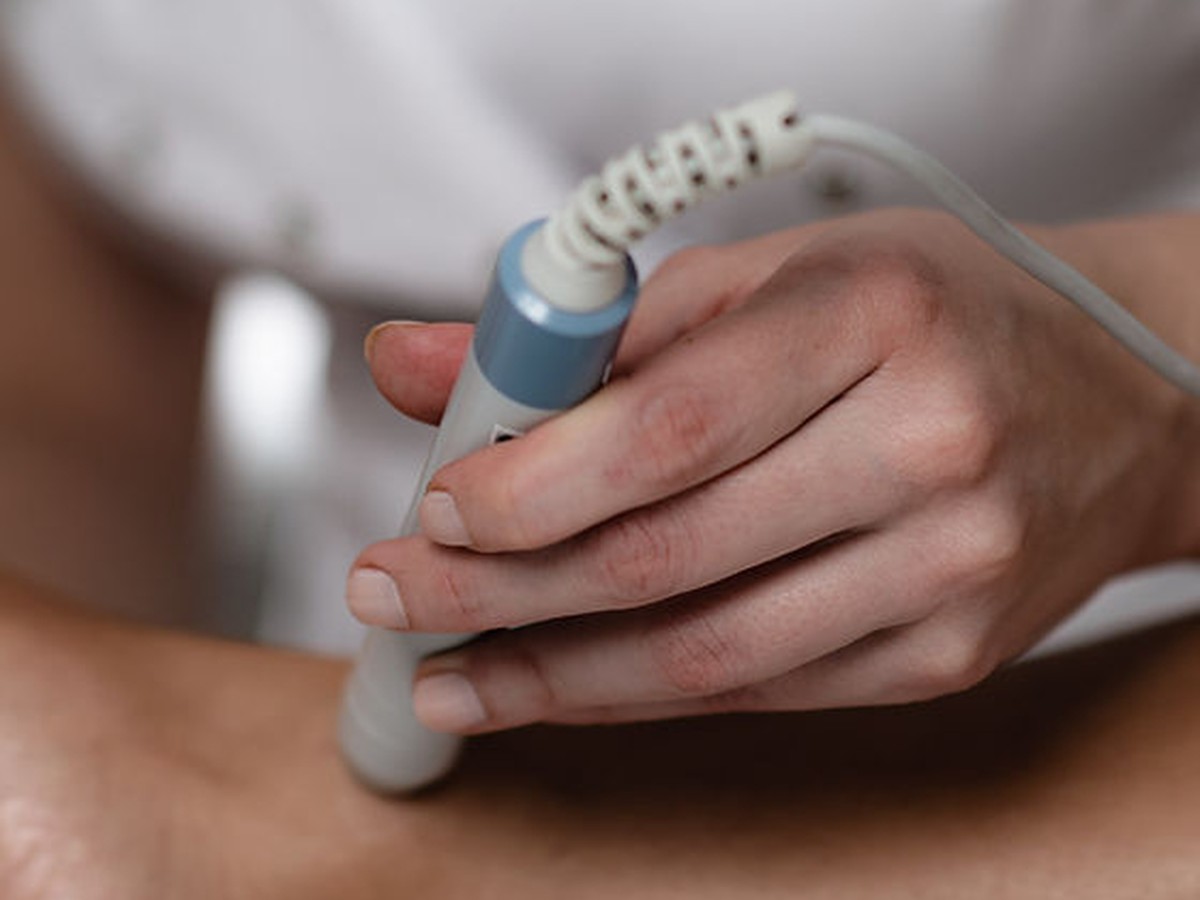
Some buyers expect to walk in and receive biomagnetic pair therapy without a prior assessment. However, a responsible provider will usually want to understand your health history and current symptoms first. Skipping this step can lead to a treatment that is poorly matched to your needs.
Correction: Ask whether the clinic requires an initial evaluation before biomagnetic pair therapy. At Vertebra Health Institute, naprapathic evaluation is available, and the clinic's integrative approach suggests that assessment is part of the process. If a provider offers biomagnetic therapy with no intake questions at all, proceed with caution.
Mistake 4: Comparing Only Price Instead of Value
Price is easy to compare, but it rarely tells you whether a provider will deliver the right care. A lower-cost session may not include the same assessment, follow-up, or integration with other therapies. Conversely, a higher price does not guarantee better results. Buyers who choose solely on price often end up paying more in the long run because the treatment was not well matched.
Correction: Compare what is included in the fee. Ask, "What does the session include—assessment, treatment time, and any follow-up recommendations?" Also ask about the clinic's other services, such as craniosacral therapy or naprapathic manual medicine, which might be part of a more complete plan. Value comes from the fit, not the sticker price.
Mistake 5: Not Asking About Expected Outcomes and Limitations
Biomagnetic pair therapy is not a guaranteed cure, and responsible providers will not promise specific results. Some buyers expect dramatic changes after one session and are disappointed when that does not happen. Others do not ask what the therapy can and cannot do for their particular issue.
Correction: Ask, "What outcomes do you typically see with biomagnetic pair therapy for someone with my concerns, and what are the limitations?" A good practitioner will give a realistic range and explain when the therapy is unlikely to help. If you hear only promises, look for another provider.
Final Verification Checklist Before You Book
☐ Confirm the provider offers biomagnetic pair therapy as part of an integrative manual medicine approach, not as a one-size-fits-all service.
☐ Ask about the practitioner's specific training and experience with biomagnetic pair therapy.
☐ Verify that a pre-treatment assessment is required or recommended.
☐ Compare what is included in the session fee, not just the price.
☐ Ask about realistic outcomes and limitations for your condition.
☐ Check whether the clinic can combine biomagnetic therapy with other relevant services, such as naprapathic manual medicine or craniosacral therapy.
Frequently Asked Questions
Is biomagnetic pair therapy safe for everyone?
Biomagnetic pair therapy is generally considered non-invasive, but it is not appropriate for every person or condition. Always discuss your health history with a qualified practitioner before starting. If you have a pacemaker, are pregnant, or have certain medical conditions, the therapy may need to be avoided or modified. Ask your provider for specific guidance.
How many sessions of biomagnetic pair therapy will I need?
The number of sessions varies depending on your goals and how your body responds. Some people notice changes after a few sessions, while others need a longer course. A responsible provider will reassess your progress and adjust the plan rather than selling a fixed package upfront.
Can biomagnetic pair therapy replace my current medical treatment?
No. Biomagnetic pair therapy is a complementary approach and should not replace medical care for diagnosed conditions. Always coordinate with your primary healthcare provider and inform your biomagnetic therapy practitioner of any ongoing treatments.
For more information about biomagnetic pair therapy at Vertebra Health Institute, visit their biomagnetic pair therapy service page. You can also learn about their craniosacral therapy and MPS therapy to understand how they combine manual medicine techniques.
Comments